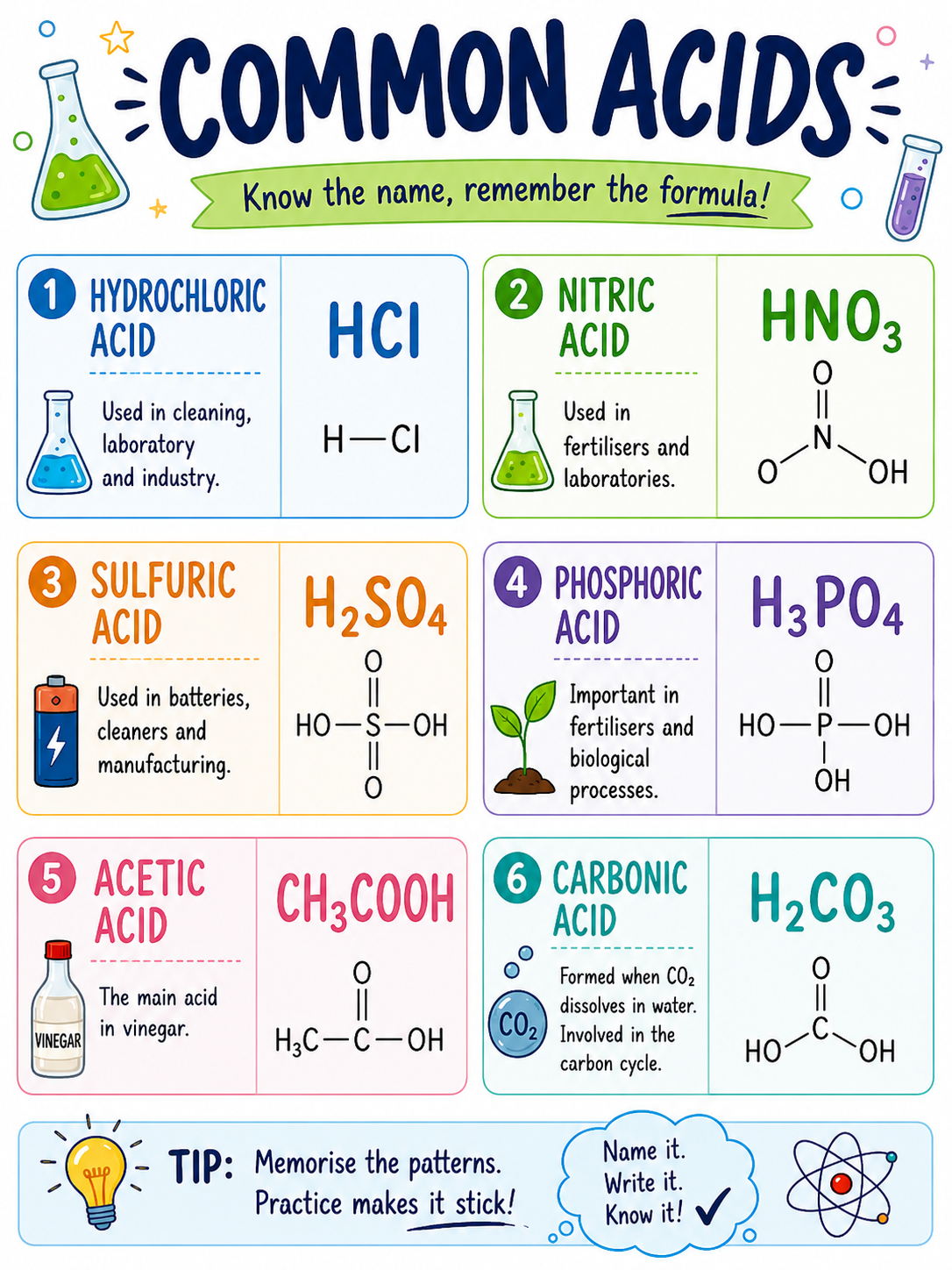
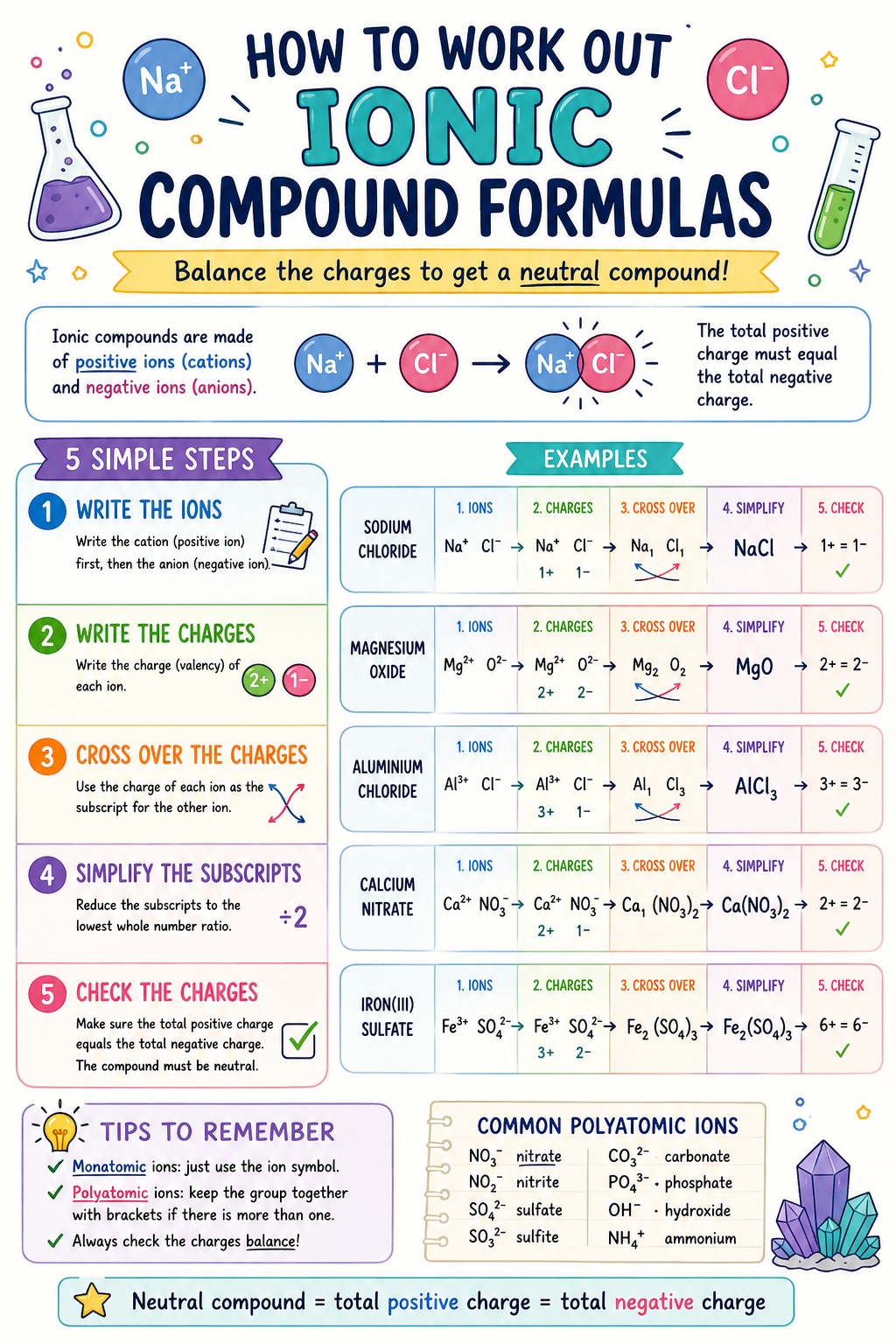
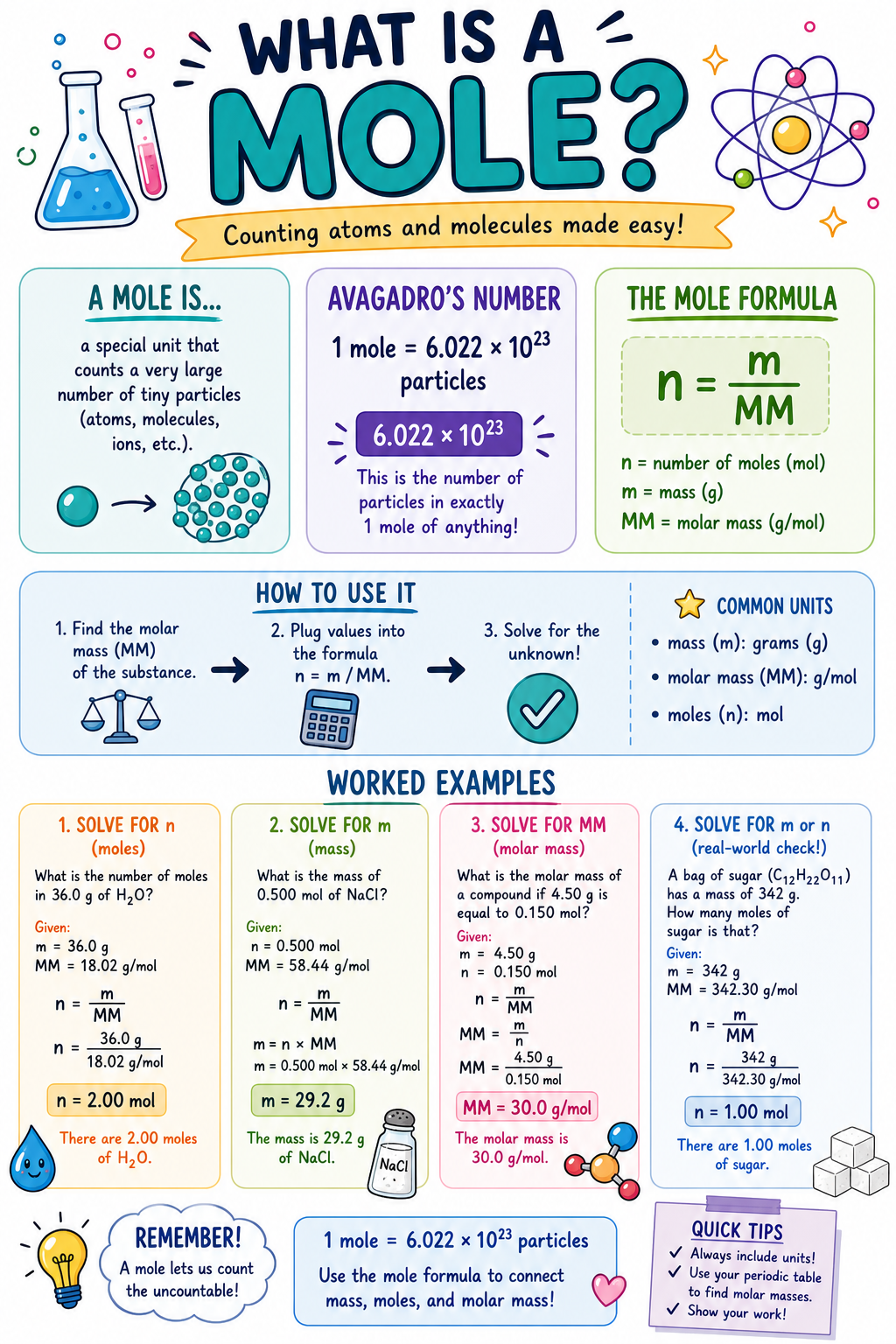
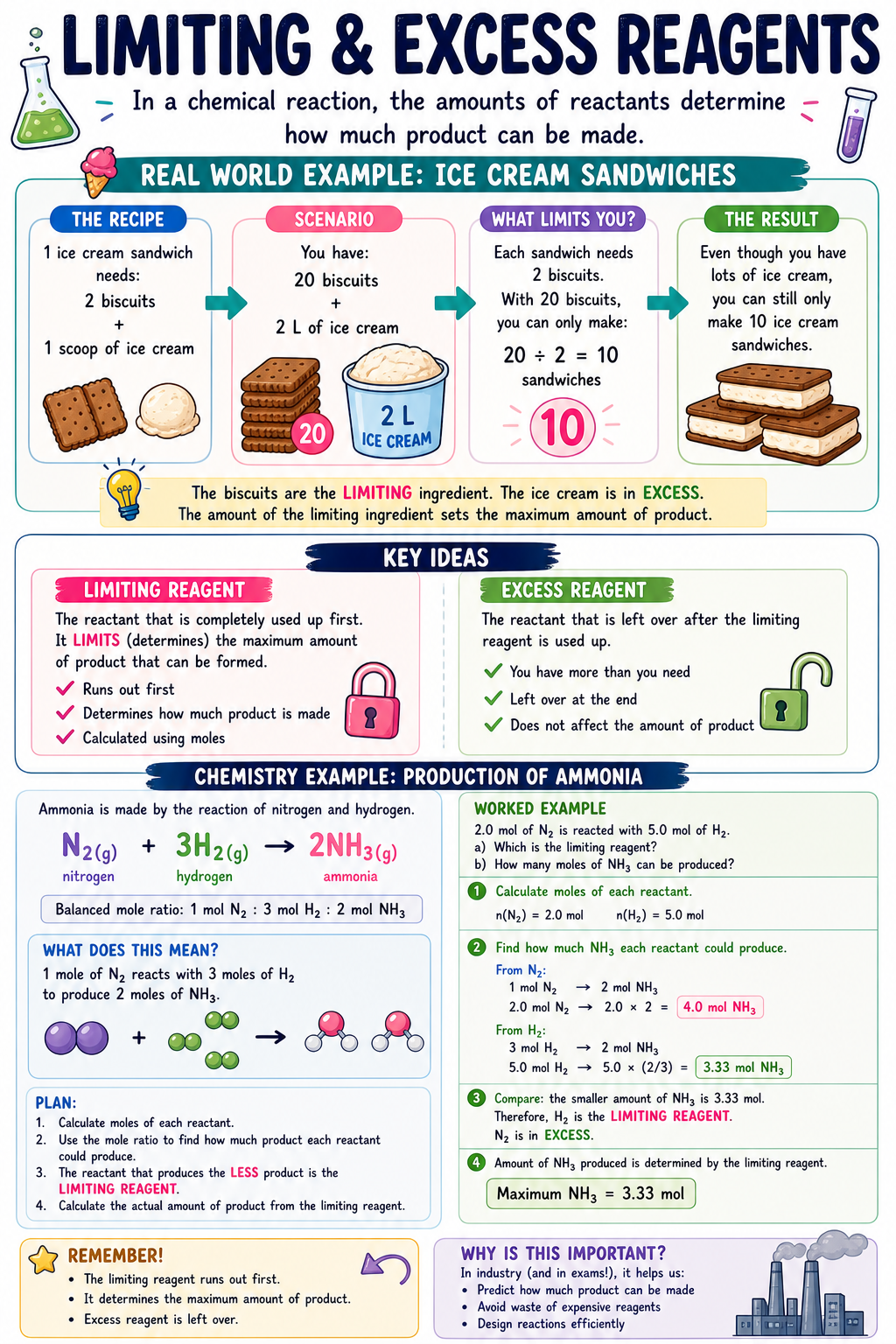
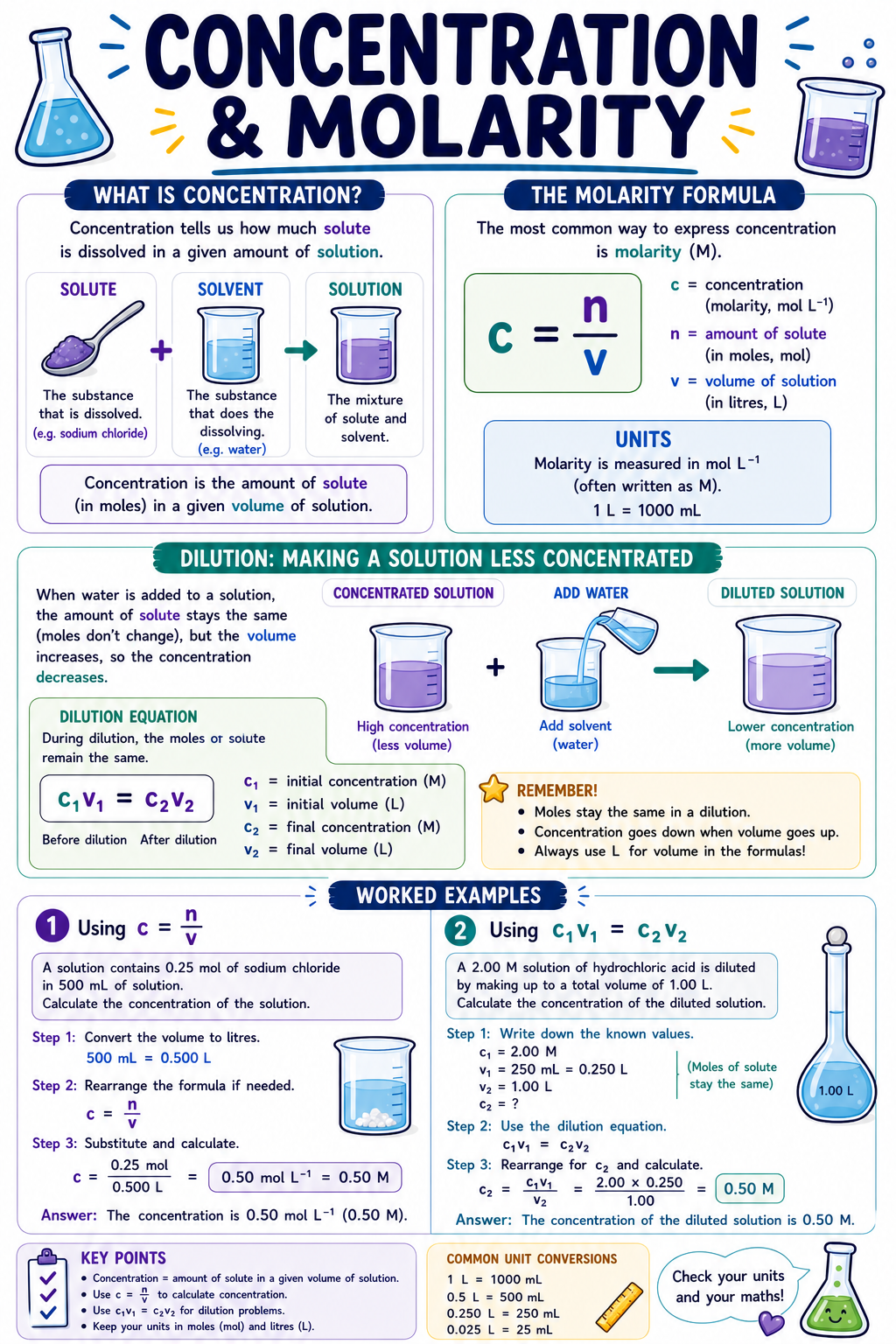
I love posters and infographics. There’ something about explaining a complex concept visually that makes it more fun, interesting and easier to understand. I would identify important concepts that students need to understand in chemistry and want to make a poster for it, but would need to use Canva to create it. Using Canva to turn an idea to a visual product takes time. A LOT of time.
Now I use Gen AI. I’ve been playing with prompts and have generated the following posters. I really like how I can tell Gen AI how I want the concept broken down (I do need to give very specific and explicit instructions on breaking down a concept in the prompt. It’s not as simple as “Make me poster on this concept.”) and it will create something for me in a matter of seconds. No more mucking around with Canva trying to find the right template to work from and finding the appropriate graphics.
So here is a small collection for Year 11 Chemistry Modules 1 and 2. Feel free to download. Print them in A3 or larger for your classroom and give them to your students as infographics for their study notes.
Let me know what you think. All feedback is welcome. On some posters, I had to tell the AI to make corrections. Some posters I’ve abandoned because the AI just kept making errors.
An AI ‘takeover’ in schools is often portrayed as being inevitable and the teaching profession has little control over it. That teacher skepticism to AI tools is a barrier to “progress”. This false narrative displaces teachers as the experts of teaching and learning. Is student uptake of AI more unprecedented than expected? Yes. Can more be done in the space of professional support for teachers? Yes, a lot more. This is why Michael Sciffer and I led a session at the Quality Teaching in Practice Conference (QTiP25) at Newcastle University. We aimed to show teachers how they can empower their students to become ethical and critical learners in the age of AI; to challenge situations when AI diminishes rich learning opportunities. When we designed our session, we found the space was dominated by for-profit technology companies promoting their AI products (often under the guise of professional learning and teaching resources). What was missing was supporting teachers to teach students how to have conversations on the ethical and critical use of AI, and challenge each other’s assumptions, from academic situations to everyday life scenarios. That’s what our QTiP25 session focused on and this blog post summarises our session and resources. Our session was strongly influenced, and builds on, the fantastic professional learning on generative AI from NSW Department of Education.
Thinking scaffold to decide IF and HOW AI should be used
We adapted the GENAI assessment scale into a thinking scaffold that school-aged students and teachers can use to discuss how AI and enhance and diminish their learning. The scaffold has six levels of AI integration and asks students/teachers to think about the positives (pluses), negatives (minuses) and interesting considerations for each level of AI integration. Students/ teachers then use scaffold to decide and justify on a level of AI integration that would best enhance their learning. the The scaffold can be used to co-create agreed expectations of the uses of AI in a range of learning tasks, projects and units of work. The scaffold is designed to be used in small group situations, but can used individually.
Classroom conversations to co-create expectations of AI use
After each small group completes the AI thinking scaffold, the group nominates one representative to join a Socratic seminar. To support students (and teachers) to have robust conversations to co-create agreed expectations of AI use from diverse opinions, we selected specific Socratic sentence starters. The sentence starters are selected to encourage students (and teachers) to present different views, challenge each other’s assumptions, to ask each other to justify their reasoning and to support each other.
We also designed additional scenarios for students and teachers to think about where the use of AI extends beyond a learning activity and the classroom. They are designed to be used with the Socractic sentence starters to challenge the impacts of AI use in the context of integrity, equity, honesty and essentially, what it means to be human.
Our session at the QTiP25 conference emphasised the importance of equipping teachers and students with the skills to engage critically and ethically with AI. By enabling robust discussions to co-create expectations around AI use, teachers, as the experts of teaching and learning, can lead their students to collectively decide how AI is used (or not used at all) to enhance and protect rich learning opportunities.