3 fast, no-prep activities when you have nothing planned

In a perfect world, every lesson will be well planned and timed. However, every teacher has found themselves stuck with nothing planned. Maybe it’s because a colleague is too sick to send in work. Here are three fast, no-prep activities to keep in your teaching toolbox so you can take them out for any of these moments. They can be set as a whole class task, small group activities or individual tasks. They are also great for students who are fast finishers.

Non-fiction text reflection

Book your class into the school library or ask the Teacher Librarian to curate a selection of non-fiction texts (which may be related to the current topic, or not). Allocate 10 minutes for students to sample a book and fill in the non-fiction text reflection sheet. Repeat this two to three times depending on the length of your lesson. Then have students speak to each other about the books and select some students present to the class. You can even have students choose to borrow some of the books. I have done this activity many times and students love it. It’s a great way to explore the school library’s collection and to slow down and take a breather.

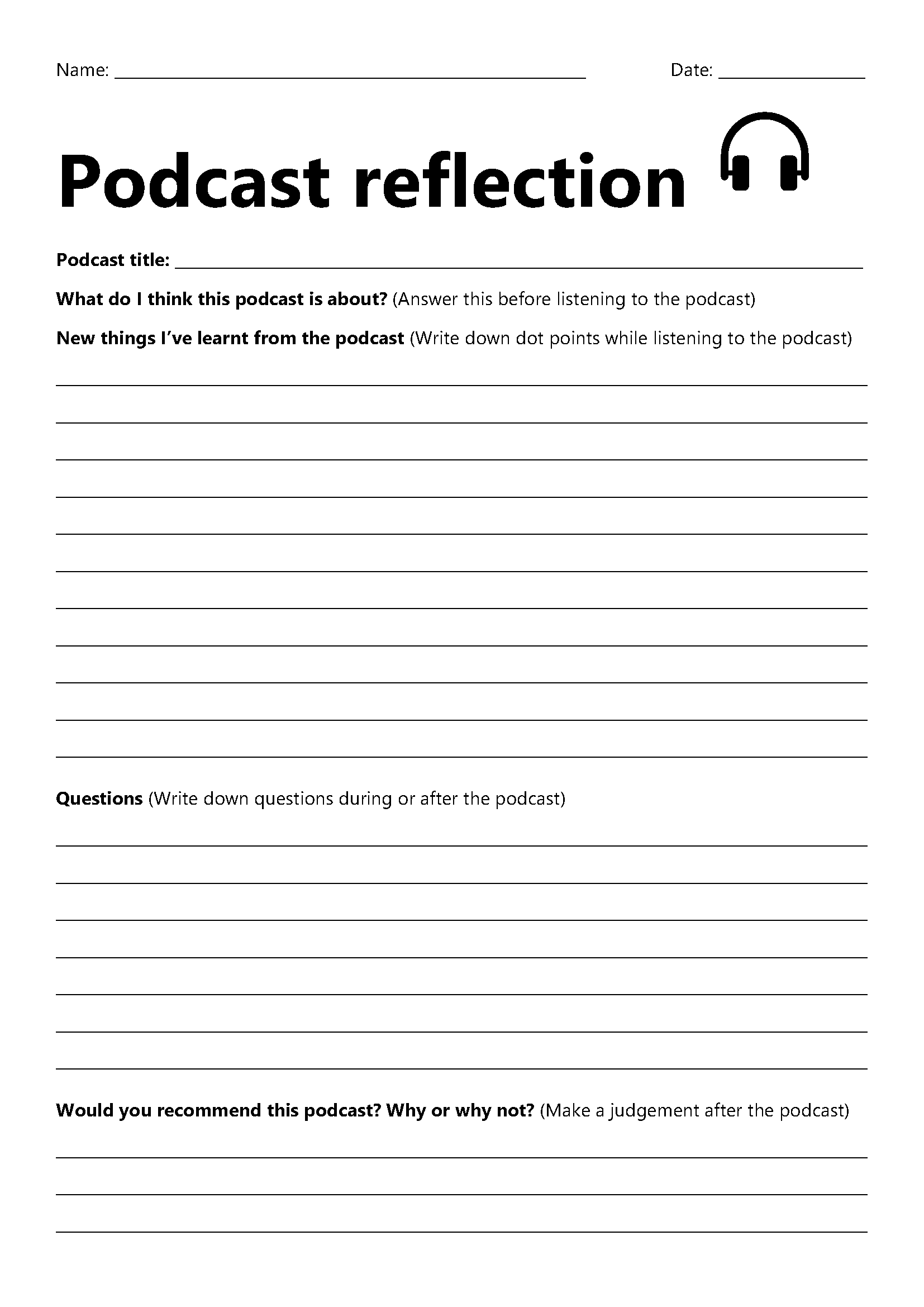
Video and podcast reflections

There are so many interesting videos and podcasts out there. Some of my favourite YouTube channels are Amoba Sisters, ASAP Science and Minute Physics. I love ABC listen for children-friendly podcasts. You can have the whole class view the same video or listen to the same podcast, or let students choose their own. I like to use reflection sheets for students to jot down their learnings and have them share it with their peers.

Lightning writing

This is a simple yet powerful learning activity. Set a timer for 5 minutes, 10 minutes or 15 minutes. In the allocated time, students write a recount of informative text on what they have learnt this week, this term, the year so far or whatever you want them to (or whatever they want to). The key is to be like lightning and keep writing until the time runs out. So many other learning opportunities can follow. You can have students do a think-pair-share, select students to read their writing to the class or have students use their lightning writing sample to create a multimedia presentation to teach their peers.

What are your go-to activities?

What are your fast, no-prep activities for when you have nothing planned? Share yours by commenting below.
Using knowledge organisers to support retrieval practice

Last year I started prototyping with teaching and learning strategies based on cognitive science. I was particularly interested in how to design and structure learning to support students to consolidate knowledge and skills into long term memory. Some of the things I did were:

This year I want to prototype knowledge organisers. A knowledge organiser is an A4 template that succinctly shows the reader (student/parent/teacher) what is essential to know for a particular topic. Knowledge organsers are not new. I’ve seen them on UK EduTwitter for a number of years but I think they are not that widely used in Australia. For a really good post on knowledge organisers, see Joe Kirby’s blog on how knowledge organisers are used at Michaela Community School.

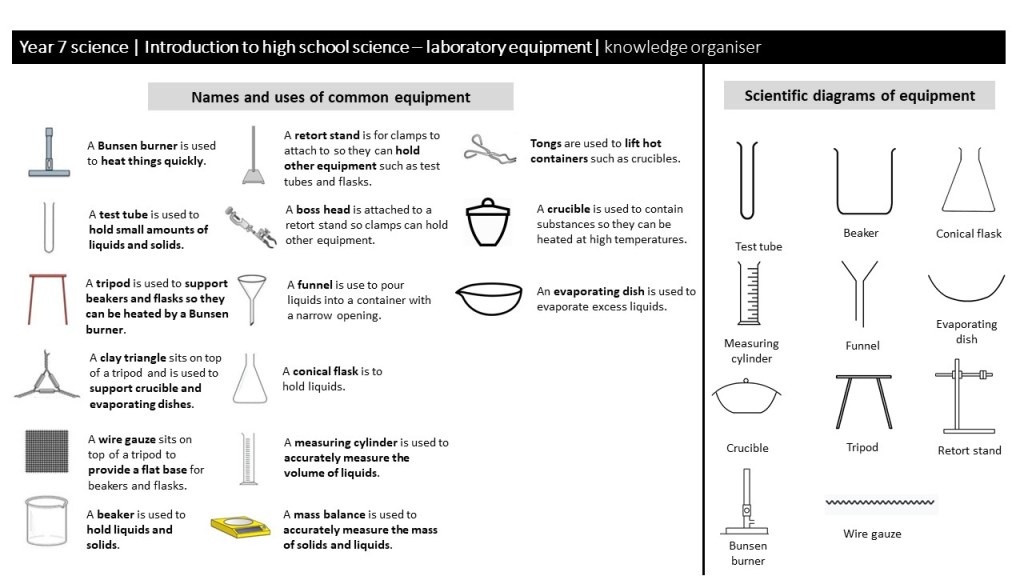
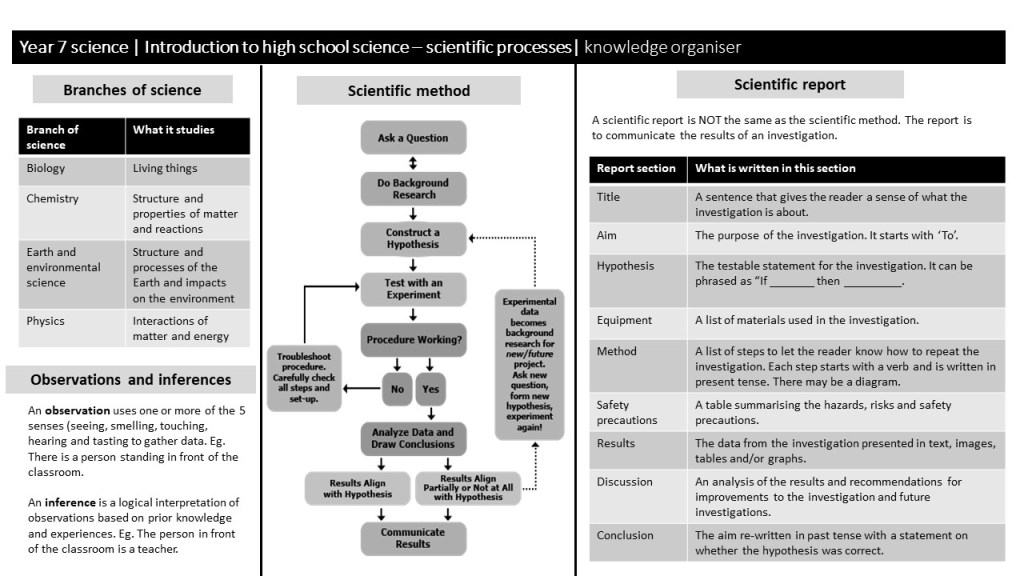
For me I’m trialling knowledge organisers with my Year 7 maths/science class. I’ve made these knowledge organsiers so far for the introduction to high school science topic.

An image of a knowledge organiser for scientific processes
An image of a knowledge organiser for working safetly in the lab
An image of a knowledge organiser for laboratory equipment

This is how I’m going to use them:

  • Students to use the look cover check correct process to learn one section of the knowledge organiser at a time. Students choose one section of a knowledge organiser to focus on, read the information, cover that section, write what they remember, check their retrieved version with the knowledge organiser and then correct it with a different coloured pen. This will first be done in class and then moved to homework tasks. Students will receive a copy of the knowledge organisers in their homework folders so that their parents/carers know what they are learning at a glance and can use them to quiz their children.
  • Use the knowledge organiser to develop low-stakes quizzes. Students can also use the knowledge organiser to quiz each other.
  • Once students have practised using knowledge organisers in a range of ways and have these routines automated, retrieval practice using knowledge organisers can become the class work students do when the regular teacher is absent.

I make the knowledge organisers in PowerPoint. Click on this link to download the PowerPoint files and make a copy if you’d like to edit the knowledge organisers to suit your needs and the needs of your students.